

Reading Social Science Texts
Accessing and approaching academic books and articles

I am assuming that most of you aren’t reading a lot of “academic” texts — meaning a book published by an academic press, a peer-reviewed journal article, or a working paper on new research in a certain scientific area. But maybe I’m wrong! Out of curiosity…
Tell me more, or explain an “other” category, by leaving a comment!
For the sake of this post, though, let’s assume very few of you select the “Academic Texts” category. In this case, I imagine that some of the resistance to this type of reading is that 1) you constantly feel like you’re working/learning/doing — you don’t want your reading experiences to feel like another task to complete; or 2) even when the topic sounds interesting, the text itself feels daunting.
Here are some tips for making such kinds of reading feel less intimidating (even though I’m trying to choose books for SpacEd Out 101 that are more engaging than most scientific peer-aimed treatises, don’t worry!).
How to Access
You might be thinking, well even if I wanted to read these kinds of texts, Lili, how am I going to get them?? You have access to university libraries…not all of us have those kinds of resources!
Totally fair!! But don’t assume that there is no way forward! Here are some possible workarounds for accessing academic materials in general, but especially for SpacEd Out 101:
Books @ Local Locations: All books in SpacEd Out 101 should be available in your local library, bookstore, or directly through the press.
Articles & Academic Texts: Any supplementary material and/or academic texts referenced in SpacEd Out 101 or other SpacEd Out posts will be cited (and linked, if an open access text). To actually read what’s cited, here are a few ideas:
Use your alumni status — alums can often access some portion of their college’s digital libraries (examples based on enrollment records of a few subscribers: Georgetown and Penn State)
Go to your local library (or local university) — local libraries are real gems of institutions, and many have support for accessing certain articles or databases. Related, your local university library (even if you’re unaffiliated) may have some pretty great opportunities for access. For my Philly-area readers, here’s Penn’s approach to community access as one example.
Email the author(s) — it’s not weird! 9 times out of ten, they’ll be thrilled to hear someone’s interested in their work and they can send along a copy for you to read.
Ok so now that you have the materials, how should you read them?
How to Read
We often take for granted that we know how to read — we do it every day! But it’s worth letting yourself sit with the question for a bit: How do I read?
If I’m teaching college freshmen, I try to center this question of reading (and its partner, writing) in our course. I include texts that walk through key aspects of reading, giving them the same weight as the scientific articles or book chapters coexisting in the syllabus. The kinds and demands of reading will only increase throughout their higher education journeys, so it’s pivotal to emphasize critical reading skills early on. But even in upperclassmen seminars I revisit these reading (and writing) tips before the first assignment. And when I’m feeling totally overwhelmed by my insane screen of open tabs of things to download and read, I return to the guidance I offer in my courses.

So what is that guidance1?
#1: Fantasyscroll for Research
For graduate-level academic work, where the idea is that we’re generating our own ideas built from existing research, it’s key to read with one eye on your own project so you can consider how, if at all, this text can inform your own pursuits. So think of it like fantasyscrolling — or when you avoid doomscrolling (or other activities2) by putting no limit on the price of Zillow homes in your dream location, looking through the photos and mapping out what you would do differently with the space, given both your own interests/family structure and the current layout (but maybe you would expand that half bath into a full by getting rid of the second mudroom??!).
How this translates into academic reading is “coming to terms” with the text. This phrase “coming to terms” is introduced in Joseph Harris’ book Rewriting: How to Do Things with Texts. He explains:
In coming to terms, you need both to give a text its due and to show what uses you want to make of it…You thus need not only to explain what you think it means but to say something about the perspective from which you are reading it. In coming to terms with the work of others, then, you also say a good deal about who you are as a writer, about your own interests and values.
So how exactly do we do that? We read with the intention of uncovering the aim of the author, then identifying the methods they use and the evidence they employ to reach that aim. In other words…
#2: Don’t treat this reading like beach reading
Rather than reading line by line, page by page, cover to cover — how you’d work through a novel you’re reading for fun on vacation — start doing analytical scanning. Think about when you visit a new place. Maybe you’ll grab one of those colorful, cartoonish maps of the area with a bunch of ads for local businesses…you know the one!
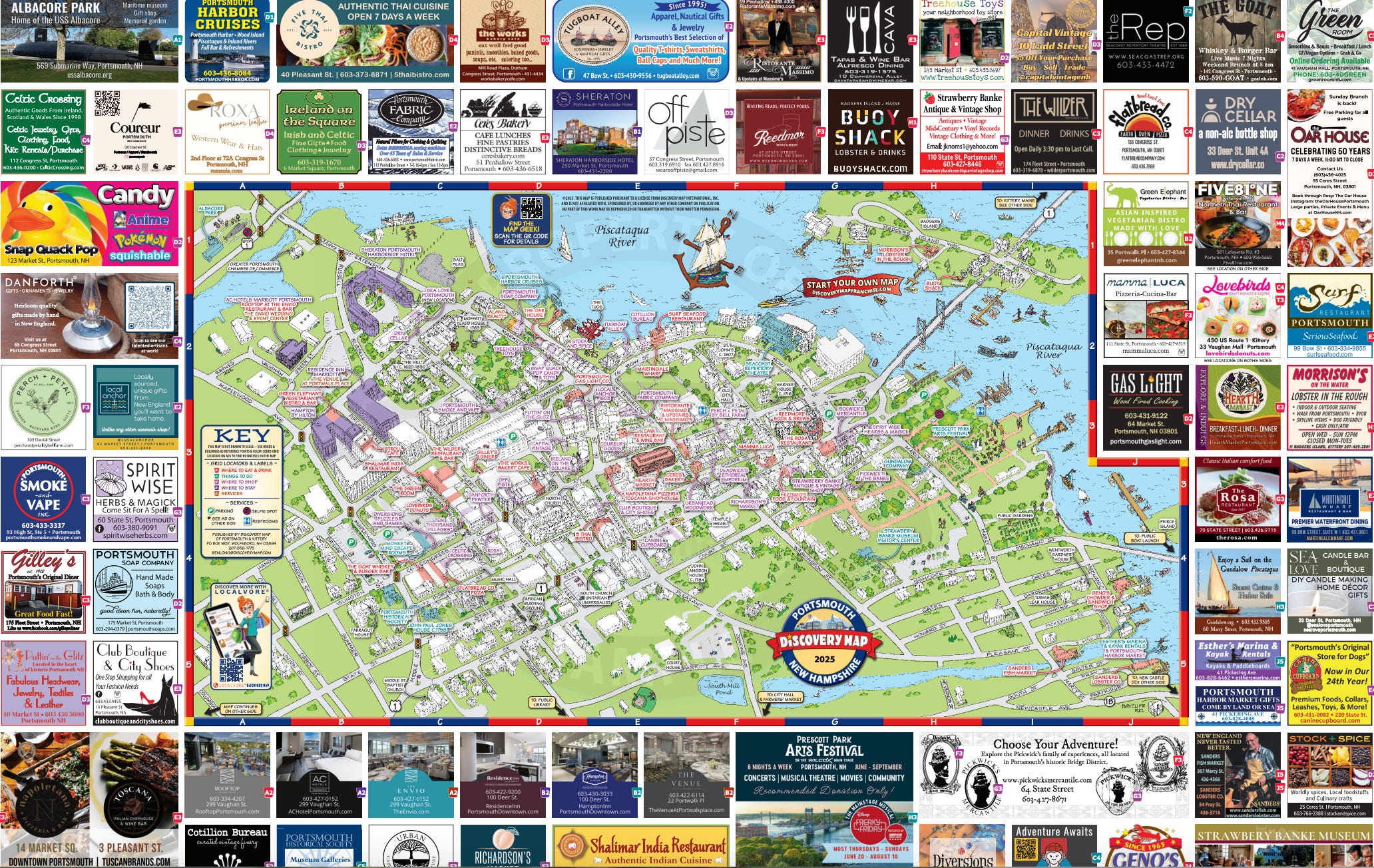
You give it a good look-over, trying to orient yourself with landmarks you may already be familiar with, spot places you are hoping to get to, note restaurants or shops that look worth checking out. And then you go and explore!
That’s what we do when we analytically scan a text. We first head to the introduction, which will give a more thorough overview of the book’s goals and structure, then pop over to the conclusion to get a summary of the findings and main takeaways. These two steps give us a clearer sense of the purpose of the book or journal article. Now we can strategically march forward with close readings of the chapters or sections that stick out as most relevant to our own research questions and interests, or seem most useful in answering whatever question it was we came to this text hoping to answer.
And when we know what parts of the text we want to really focus on, we can employ some active reading strategies to closely read these more manageable pieces. I’ll model some of those strategies in two weeks, when we hit our first Close Reading post for Book 1 - stay tuned!
While these tips work for me, and have a track record of working well for my students, I recognize that they may not be your exact cup of tea. So since you’re already on Substack, I figured I’d link to a few articles on reading that I enjoyed — they’re more centered on reading literature, but the focused, analytic eye is still something to model in the social science world:


Please watch this very excellent SNL sketch on the matter:
Reading this made me realize I don't know how to read.